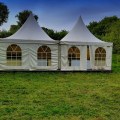
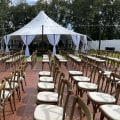
When planning an outdoor event, whether it’s a wedding, festival, or corporate gathering, outdoor event equipment hire plays a crucial role in ensuring everything runs smoothly. From tents and seating to sound systems and lighting, the right equipment can transform a simple gathering into a memorable experience. However, understanding the nuances of equipment hire is essential, particularly when it comes to weight restrictions that may apply to certain items. Weight restrictions are often dictated by the type of equipment being used and the conditions of the venue. For instance, large marquees require a solid foundation and may have specific weight limits to ensure stability against wind and other environmental factors.
Similarly, staging and seating arrangements must adhere to safety regulations that protect both the equipment and the guests. This makes it imperative for event planners to be aware of these limitations when selecting their equipment. Moreover, consulting with a reputable hire company can provide invaluable insights into what is feasible for your specific event. They can guide you on the best practices for event planning, ensuring that all aspects, including weight considerations, are taken into account. By doing so, you not only enhance the safety of your event but also elevate its overall quality, making it an occasion to remember.
Understanding Weight Restrictions in Outdoor Events
When planning an outdoor event, understanding weight restrictions for various types of equipment is essential.These limitations are not merely guidelines; they are critical for ensuring the safety and success of your event. Different types of outdoor event equipment, such as marquees, stages, and seating arrangements, come with specific weight capacities that must be adhered to.
Equipment Limitations
- Marquees: The weight capacity of a marquee is determined by its size and the materials used in its construction. Exceeding this limit can lead to structural failure, posing risks to attendees.
- Stages: Portable stages have strict weight limits based on their design and intended use. Overloading a stage can result in collapse, endangering performers and audience members alike.
- Seating: Chairs and benches also have weight restrictions that should be considered, especially when planning for larger groups.
It's vital to ensure that the seating can accommodate the expected number of guests safely.
Always consult with your equipment hire provider to understand these limitations fully and ensure a successful outdoor event.
Types of Outdoor Event Equipment and Their Weight Limits
When planning an outdoor event, understanding the weight limits of various types of outdoor event equipment is crucial for safety and functionality. Different equipment has specific specifications that dictate how much weight they can support. Below, we explore some common types of outdoor event equipment and their respective weight limits.- Tents: The weight capacity of tents varies significantly based on their size and design. For instance, a standard 10x10 marquee can typically hold around 1,000 kg, while larger structures like a 20x40 tent may support up to 2,500 kg.
It's essential to consider not just the tent's weight limit but also the distribution of weight within the tent.
- Stages: Portable stages are designed to accommodate various performances and activities. A typical mobile stage can support between 500 kg to 1,500 kg, depending on its construction and size. Always check the manufacturer's specifications to ensure it meets your event's needs.
- Seating: When hiring seating for your outdoor event, consider the type of chairs or benches you choose. Folding chairs usually have a weight limit of around 120 kg per chair, while more robust options like banquet chairs can support up to 200 kg.
Ensure that the seating arrangement is suitable for your guests' comfort and safety.
- Tables: Similar to seating, tables come with varying weight capacities. A standard folding table can hold approximately 150 kg, while heavier-duty options may support up to 300 kg. This is particularly important when planning for food service or displays.
Factors Influencing Weight Restrictions
When considering outdoor event equipment hire, it is essential to understand the various factors that can influence weight restrictions.These limitations are not arbitrary; they are determined by a combination of environmental conditions and the specific design of the equipment being used.
Environmental Conditions
The environment in which the equipment will be used plays a significant role in determining weight limits. For instance, if an event is held on soft or uneven ground, such as grass or sand, the weight capacity of certain structures may be reduced. This is because softer surfaces can lead to instability, increasing the risk of tipping or sinking. Additionally, adverse weather conditions, such as rain or high winds, can further impact the safety and stability of outdoor equipment.Equipment Design
The design and materials used in outdoor event equipment also dictate weight restrictions.For example:
- Frame Construction: Equipment with a robust frame made from high-quality materials can typically support more weight than those with lighter, less durable designs.
- Load Distribution: Some equipment is designed to distribute weight evenly across its structure, allowing for higher weight limits compared to items that concentrate load in specific areas.
- Safety Standards: Many manufacturers adhere to strict safety standards that dictate maximum load capacities based on rigorous testing.
Safety Considerations for Weight Restrictions
When planning an outdoor event, understanding the weight restrictions associated with various types of equipment is crucial for ensuring safety and compliance. Adhering to these restrictions not only protects the integrity of the equipment but also mitigates potential risks to attendees and staff.Understanding Weight Restrictions
- Each piece of outdoor event equipment, from tents to staging, comes with specific weight limits set by manufacturers.
These limits are based on structural integrity and safety standards.
- Exceeding these limits can lead to equipment failure, posing serious risks such as collapses or accidents that could injure participants.
Risk Management Strategies
- Conduct a thorough risk assessment before the event. This should include evaluating the weight of all items that will be used, including decorations, furniture, and any additional equipment.
- Implement a system for monitoring weight loads during the event. Regular checks can help ensure compliance with safety standards.
- Train staff on the importance of adhering to weight restrictions and the potential consequences of non-compliance.
Compliance Standards
In the UK, various compliance standards govern outdoor events, including those related to health and safety. Familiarising yourself with these regulations is essential:
- The Health and Safety at Work Act 1974 mandates that employers ensure the safety of their employees and the public during events.
- The Provision and Use of Work Equipment Regulations 1998 (PUWER) require that all equipment used is safe and suitable for its intended purpose, which includes adhering to weight limits.
Ignoring these guidelines not only jeopardises safety but can also lead to legal repercussions and damage to your reputation as an event planner.
FAQs About Weight Restrictions in Outdoor Event Equipment Hire
When considering outdoor event equipment hire, one of the most common concerns is the weight restrictions associated with various types of equipment. Understanding these limitations is crucial for ensuring safety and functionality during your event.What are the typical weight limits for outdoor event equipment?
Weight limits can vary significantly depending on the type of equipment being hired. For instance:- Tents and Marquees: Most tents can support a certain weight per square metre, typically ranging from 50 to 100 kg, depending on the design and materials used.
- Seating and Tables: Standard folding chairs usually have a weight limit of around 120 kg, while tables can support between 200 to 500 kg, depending on their construction.
- Stages and Platforms: Temporary stages often have strict weight limits, commonly set at around 500 kg per square metre, to ensure stability and safety.
Why are weight restrictions important?
Adhering to weight restrictions is essential for several reasons:- Safety: Overloading equipment can lead to structural failure, posing risks to attendees and staff.
- Insurance Compliance: Many insurance policies require adherence to specified weight limits; failing to comply could void coverage.
- Equipment Longevity: Respecting weight limits helps maintain the integrity of the equipment, ensuring it remains in good condition for future hires.
How can I find out specific weight limits?
The best way to determine specific weight limits for the equipment you plan to hire is to consult with your outdoor event equipment hire provider. They can provide detailed specifications and recommendations based on your event's needs.Additionally, reviewing product manuals or specifications available online can offer further insights into weight capacities.If you have any further questions or concerns regarding weight restrictions, don’t hesitate to reach out to your equipment hire company for tailored advice and support.
Conclusion: Key Takeaways on Weight Restrictions for Outdoor Events
Understanding weight restrictions when hiring outdoor event equipment is crucial for ensuring the safety and success of your event. Throughout this article, we have explored various aspects of weight limitations associated with different types of equipment, from tents and stages to seating and lighting.Key Takeaways:
- Equipment Specifications: Always check the manufacturer's specifications for weight limits on any equipment you plan to hire. This information is vital to prevent accidents and ensure that the equipment performs as intended.
- Load Distribution: Consider how weight is distributed across the equipment. Uneven loading can lead to structural failure, so it's essential to follow guidelines provided by the hire company.
- Safety Regulations: Familiarise yourself with local safety regulations that may dictate specific weight limits for outdoor events.
Compliance not only ensures safety but also protects you from potential legal issues.
- Consult Professionals: When in doubt, consult with professionals or the hire company. They can provide valuable insights and recommendations tailored to your specific event needs.