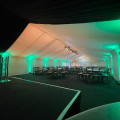
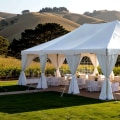
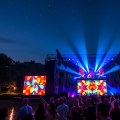
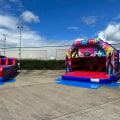
When planning an outdoor event, whether it’s a wedding, festival, or corporate gathering, outdoor event equipment hire plays a crucial role in ensuring everything runs smoothly. However, one often overlooked aspect is the noise restrictions that can significantly impact your event. Understanding these regulations is essential for selecting the right equipment and maintaining a harmonious relationship with the surrounding community. Noise regulations vary widely depending on location, type of event, and even the time of day. Local councils often impose specific limits on sound levels to minimise disruption to nearby residents and businesses.
This means that when hiring equipment such as sound systems, generators, or even certain types of lighting, it’s vital to be aware of these restrictions to avoid potential fines or the premature end of your event. Moreover, being informed about outdoor events and their associated noise regulations not only helps in compliance but also enhances the overall experience for your guests. By choosing equipment that aligns with local guidelines, you can create an enjoyable atmosphere without the risk of complaints or legal issues. In this article, we will delve deeper into the specifics of noise restrictions related to outdoor event equipment hire and provide insights on how to navigate these regulations effectively.
Understanding Noise Restrictions in the UK
When planning an outdoor event, understanding noise restrictions is essential to ensure compliance with local laws and regulations. In the UK, noise control is governed by a combination of national legislation and local ordinances, which can vary significantly depending on the location of your event.At the national level, the Environmental Protection Act 1990 provides a framework for managing noise pollution.This act empowers local authorities to take action against excessive noise that can disturb the peace, particularly during unsociable hours. Typically, these hours are defined as:
- Weekdays: 11 PM to 7 AM
- Weekends: 11 PM to 9 AM
They can often provide guidance on how to operate equipment within legal limits and may offer quieter alternatives if necessary.To avoid potential fines or complaints from neighbours, consider implementing measures such as:
- Limiting the volume of music and announcements
- Positioning speakers away from residential areas
- Communicating with nearby residents about your event plans
Types of Outdoor Event Equipment and Their Noise Levels
When planning an outdoor event, understanding the types of outdoor event equipment and their associated noise levels is crucial for compliance with local regulations and ensuring a pleasant experience for attendees. Below are some common types of equipment used in outdoor events, along with their typical sound outputs.Generators
Generators are often necessary for providing power to various equipment at outdoor events. However, they can be quite noisy. Most portable generators produce noise levels ranging from 60 to 90 decibels (dB), depending on their size and model.For instance:
- Small inverter generators: Typically quieter, operating around 50 to 60 dB, making them suitable for smaller gatherings.
- Standard portable generators: Usually range from 70 to 80 dB, which can be disruptive in residential areas.
- Commercial-grade generators: Can exceed 90 dB, often requiring special permits or sound barriers.
Sound Systems
A quality sound system is essential for music and announcements at outdoor events. The noise levels of sound systems can vary significantly based on the type and configuration:- Portable PA systems: Generally operate between 70 to 85 dB, suitable for small to medium-sized events.
- Larger concert sound systems: Can reach levels of 100 dB or more, which may require noise mitigation strategies.
Lighting Equipment
While lighting equipment is primarily visual, some types, such as generators powering lights or certain LED fixtures with built-in fans, can produce noise. Most modern LED lights are designed to be quiet, but older models may emit a low hum, typically around 30 to 50 dB.In conclusion, when hiring outdoor event equipment, it is essential to consider the sound output of event gear. By selecting quieter options and being mindful of local noise restrictions, event planners can create a successful and enjoyable atmosphere for all attendees.Local Authority Guidelines for Noise Management
When planning an outdoor event, understanding local authority guidelines for noise management is crucial.Each local council has specific regulations that dictate acceptable noise levels, particularly for events that may disrupt nearby residents or businesses. These guidelines are designed to balance the enjoyment of event attendees with the rights of those living in proximity to the venue.Before hosting an event, it is essential to check with your local authority regarding any necessary event permits. These permits often include stipulations about noise levels, operating hours, and equipment usage. Failing to obtain the correct permits can result in fines or even the cancellation of your event.To ensure compliance with local noise regulations, it is advisable to develop a noise management plan.
This plan should outline strategies for monitoring and controlling noise levels throughout the event. Key components of a noise management plan may include:
- Equipment Selection: Choose outdoor event equipment that is designed to operate quietly. For instance, opting for electric generators instead of diesel can significantly reduce noise pollution.
- Sound Checks: Conduct sound checks prior to the event to ensure that audio levels remain within acceptable limits.
- Monitoring: Assign personnel to monitor noise levels during the event and adjust equipment as necessary to stay compliant with local guidelines.
- Communication: Inform nearby residents about the event in advance and provide contact information for any noise-related concerns.
Best Practices for Reducing Noise at Outdoor Events
When planning an outdoor event, managing noise levels is crucial not only for compliance with local regulations but also for creating a comfortable atmosphere for attendees. Here are some best practices to help you reduce noise at your outdoor events.- Choose Quiet Equipment: Opt for outdoor event equipment hire that is specifically designed to operate quietly.
For instance, consider using electric generators instead of petrol ones, as they tend to produce less noise.
- Soundproofing Techniques: Implement soundproofing measures such as using acoustic barriers or sound-absorbing materials around the event area. This can significantly reduce the transmission of sound to surrounding areas.
- Strategic Layout: Plan the layout of your event carefully. Position noisy equipment, like speakers and generators, away from quiet zones where guests will be relaxing or dining. This helps to contain the noise within designated areas.
- Limit Volume Levels: Set strict volume limits for music and announcements.
Use a sound level meter to monitor decibel levels throughout the event, ensuring they remain within acceptable limits.
- Timing Considerations: Schedule activities that generate more noise during times when they are less likely to disturb nearby residents or businesses. For example, avoid loud music late in the evening.
Case Studies: Successful Noise Management in Outdoor Events
Effective noise management is crucial for the success of outdoor events, especially when it comes to maintaining a positive relationship with the surrounding community. Here are some case studies that illustrate successful noise management strategies in outdoor events.Case Study 1: The Green Music Festival
Held annually in a city park, the Green Music Festival faced challenges with noise complaints from nearby residents.To address this, the event planners implemented a sound monitoring system that allowed them to track decibel levels in real-time. They also adjusted the positioning of speakers to direct sound away from residential areas. As a result, not only did they reduce complaints by 70%, but they also enhanced the overall experience for attendees by creating designated quiet zones.
Case Study 2: Community Sports Day
A local community sports day aimed to engage families and promote healthy living. However, the use of loudspeakers for announcements and music led to concerns about noise pollution.The organisers decided to limit sound amplification and instead used handheld megaphones for announcements. They also scheduled music performances during specific time slots, allowing for quieter periods throughout the day. This approach not only satisfied local residents but also fostered a more relaxed atmosphere for participants.
Case Study 3: Outdoor Film Screening
An outdoor film screening in a public square faced potential noise issues due to its proximity to residential buildings. To mitigate this, the event team opted for directional speakers, which focused sound towards the audience while minimising spillover into surrounding areas.Additionally, they communicated with local residents prior to the event, informing them of the schedule and expected noise levels. This proactive approach resulted in positive feedback from both attendees and neighbours.These case studies highlight that with careful planning and consideration, outdoor events can successfully manage noise levels while still providing an enjoyable experience for all involved. By employing strategies such as sound monitoring, limiting amplification, and using directional speakers, event planners can create harmonious events that respect both attendees and the local community.
Frequently Asked Questions about Noise Restrictions and Outdoor Events
When planning an outdoor event, understanding noise restrictions is crucial to ensure compliance with local regulations and to maintain a positive relationship with the surrounding community. Here are some frequently asked questions regarding noise restrictions and outdoor event equipment hire:What are the typical noise restrictions for outdoor events?
Noise restrictions can vary significantly depending on your location.Generally, local councils impose limits on sound levels during specific hours, often prohibiting loud noises after 10 PM. It’s essential to check with your local authority for specific guidelines.
How can I find out about noise regulations in my area?
- Visit your local council's website for information on noise ordinances.
- Contact the council directly to inquire about any permits required for your event.
- Consult with your outdoor event equipment hire provider, as they often have experience navigating these regulations.
What types of equipment are subject to noise restrictions?
Common outdoor event equipment that may be subject to noise restrictions includes:- Sound systems: Amplified music or speeches can easily exceed local noise limits.
- Generators: These can be particularly noisy, so consider quieter models or alternative power sources.
- Inflatable attractions: Some inflatables may have fans that produce significant noise.
What should I do if my event exceeds noise limits?
If you anticipate that your event may exceed the allowed noise levels, consider the following:- Plan your event during hours when noise restrictions are less stringent.
- Use sound-dampening equipment or arrange the layout of your event to minimise sound impact on nearby residents.
- Communicate with neighbours in advance to inform them about your event and address any concerns they may have.
Conclusion: Navigating Noise Restrictions for Successful Outdoor Events
In conclusion, understanding and adhering to noise restrictions is crucial for the success of any outdoor event. As we have explored, different venues and local councils may impose specific regulations regarding sound levels, particularly during evening hours or in residential areas. Ignoring these guidelines can lead to fines, disruption of the event, and negative feedback from attendees.When considering outdoor event equipment hire, it is essential to:- Research local regulations: Before planning your event, check with local authorities to understand the noise limits applicable to your chosen location.
- Select appropriate equipment: Opt for sound systems and generators that comply with noise regulations.
Many rental companies offer equipment designed to minimise noise pollution.
- Plan sound checks: Schedule sound checks during appropriate hours to ensure that your equipment operates within legal limits without disturbing nearby residents.
- Communicate with neighbours: If your event is likely to generate significant noise, consider informing nearby residents in advance. This can help mitigate complaints and foster goodwill.