When planning an outdoor event, whether it’s a wedding, corporate gathering, or festival, the choice of outdoor event equipment hire can significantly impact the success of your occasion. From tents and seating to lighting and sound systems, the right equipment not only enhances the aesthetic appeal but also ensures that your guests are comfortable and engaged. However, with the excitement of planning comes the responsibility of ensuring that everything runs smoothly, which includes understanding the implications of hiring equipment. One crucial aspect that often gets overlooked is insurance for rental equipment. Many event planners may assume that their hired equipment is automatically covered against damage or theft, but this is not always the case.
Understanding the insurance policies associated with your rental can save you from unexpected costs and liabilities. It’s essential to clarify with your rental provider what their insurance covers and whether you need to purchase additional coverage. As you embark on your event planning journey, consider not just the logistics of hiring equipment but also the potential risks involved. By being informed about insurance options and requirements, you can make more confident decisions that protect both your investment and your peace of mind. This foundational knowledge will set the stage for a successful outdoor event, allowing you to focus on creating memorable experiences for your guests.
What is Outdoor Event Equipment Hire?
Outdoor event equipment hire refers to the process of renting various types of equipment specifically designed for outdoor events.This service is essential for individuals and organisations planning events such as weddings, festivals, corporate gatherings, and parties, where the right equipment can significantly enhance the experience.There are numerous types of outdoor event equipment available for hire, including:
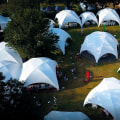
- Tents and Marquees: Essential for providing shelter from unpredictable weather conditions.
- Seating and Tables: Various styles are available to suit different themes and capacities.
- Lighting: From fairy lights to professional lighting rigs, proper illumination can create the desired atmosphere.
- Sound Systems: High-quality audio equipment is crucial for speeches, music, and announcements.
- Catering Equipment: Items such as barbecues, serving dishes, and utensils are often needed for outdoor dining experiences.
- Decorations: Hire options can include everything from centrepieces to backdrops that enhance the visual appeal of the event.
- Cost-Effective: Renting equipment can be significantly cheaper than buying, especially for one-off events.
- Variety: Hiring allows access to a wide range of equipment without the need for long-term storage or maintenance.
- Convenience: Many rental companies offer delivery, setup, and collection services, saving time and effort.
- Quality Assurance: Rental companies often maintain their equipment to high standards, ensuring reliability on the day of the event.
The Importance of Insurance in Equipment Rental
When it comes to outdoor event equipment hire, understanding the importance of insurance cannot be overstated. Renting equipment for events such as weddings, festivals, or corporate gatherings involves various risks that can lead to significant financial liabilities if not properly managed.Why Insurance Matters for Event Equipment
- Protection Against Damage: Outdoor events can be unpredictable. Weather conditions, accidental damage, or even theft can occur.
Having insurance ensures that you are protected against the costs associated with repairing or replacing damaged equipment.
- Liability Coverage: If someone is injured while using rented equipment, you could be held liable. Insurance provides coverage for legal fees and compensation claims, safeguarding your finances and reputation.
- Peace of Mind: Knowing that you have insurance allows you to focus on the event itself rather than worrying about potential mishaps. This peace of mind is invaluable when planning a successful outdoor gathering.
The Risks of Not Having Insurance
- Financial Burden: Without insurance, you may face hefty costs for repairs or replacements out of pocket, which can quickly add up and strain your budget.
- Legal Consequences: In the event of an accident, the lack of insurance could lead to legal action against you, resulting in costly settlements or court fees.
- Reputation Damage: An incident at your event could harm your reputation, especially if it leads to negative publicity. Insurance helps mitigate this risk by ensuring that any issues are handled professionally.
It not only protects your investment but also ensures a smoother and more enjoyable experience for both you and your guests.
Is Insurance Included in the Rental Price?
When considering outdoor event equipment hire, one of the most frequently asked questions is whether insurance is included in the rental price. Understanding the nuances of rental agreements and insurance coverage is crucial for event planners and individuals alike.Typically, insurance is not included in the base rental price for outdoor event equipment. Most rental companies offer equipment without insurance coverage as a standard practice. This means that if any damage occurs to the equipment during your event, you may be held financially responsible.What to Expect from Rental Contracts
When reviewing rental contracts, it’s essential to look for specific clauses regarding insurance.Here are some key points to consider:
- Insurance Options: Many rental companies provide optional insurance packages that can be added to your rental agreement. This can cover damages or theft, offering peace of mind during your event.
- Liability Coverage: Check if the rental company has liability coverage that protects against accidents or injuries related to the equipment. This is particularly important for larger events where safety is a concern.
- Deductibles: If you opt for insurance, be aware of any deductibles that may apply in case of a claim. Understanding these terms can help you make an informed decision.
- Exclusions: Read through the policy carefully to identify any exclusions that may apply.
Some policies may not cover certain types of damage or misuse.
Types of Insurance for Outdoor Event Equipment
When hiring outdoor event equipment, understanding the types of insurance available is crucial for ensuring a smooth and worry-free experience. Different rental companies may offer various insurance options, and it’s essential to know what each entails.1.Liability Insurance
Liability insurance is one of the most common types of coverage associated with outdoor event equipment hire. This insurance protects you against claims resulting from injuries or damages that occur during the event.For instance, if a guest trips over a piece of equipment and sustains an injury, liability insurance can cover legal fees and medical expenses. It’s advisable to check if the rental company includes this coverage in their package or if you need to purchase it separately.
2.Damage Waiver Options
Another important type of insurance is the damage waiver. This option typically allows you to avoid paying for damages that occur to the rented equipment, provided they are not due to negligence or misuse. For example, if a tent is damaged by unforeseen weather conditions, a damage waiver may cover the costs of repair or replacement.However, it’s crucial to read the terms carefully, as some waivers may have exclusions or limits on coverage.
3.Additional Coverage
Some rental companies may offer additional coverage options tailored to specific needs. This could include coverage for theft, loss of equipment, or even cancellation insurance in case your event needs to be postponed or cancelled due to unforeseen circumstances. Always inquire about these options and assess whether they are necessary for your event. In conclusion, when considering outdoor event equipment hire, it’s vital to understand the types of insurance available. By ensuring you have adequate coverage, you can focus on enjoying your event without worrying about potential liabilities or damages.How to Ensure Adequate Coverage When Hiring Equipment
When hiring outdoor event equipment, ensuring adequate coverage is crucial to protect yourself from potential liabilities and unexpected costs.Here are some essential tips to help you navigate the complexities of insurance and rental agreements.
Review Your Rental Agreement
Before signing any rental agreement, take the time to read through it thoroughly. Look for sections that discuss insurance coverage and liability. Many rental companies will outline their policies regarding damage, theft, and accidents. Pay attention to:- Liability Waivers: Understand what you are agreeing to when you sign a waiver.
This may limit your ability to claim damages in certain situations.
- Damage Coverage: Check if the rental price includes any form of damage coverage or if it is an additional cost.
- Replacement Costs: Know how much you would be liable for if the equipment is lost or damaged beyond repair.
Check Insurance Policies
If the rental company does not provide adequate insurance, consider obtaining your own coverage. Many event planners opt for event insurance, which can cover equipment damage, liability, and even cancellation costs. When checking insurance policies, ensure they include:- Equipment Coverage: This should cover all rented items against theft and damage.
- Public Liability Insurance: Essential for protecting against claims from third parties in case of accidents.
- Cancellation Insurance: Useful if unforeseen circumstances force you to cancel your event.
Communicate with Your Rental Company
If you have any doubts about the coverage provided, don’t hesitate to ask the rental company for clarification. A reputable company will be transparent about their policies and willing to assist you in understanding your responsibilities.Make sure to document any agreements or assurances made during these discussions.By taking these steps, you can ensure that you have adequate coverage when hiring outdoor event equipment, allowing you to focus on creating a successful event without worrying about potential liabilities.
Frequently Asked Questions About Insurance and Equipment Hire
When considering outdoor event equipment hire, many clients often have questions regarding insurance coverage. Understanding the nuances of insurance in the context of equipment rental is crucial for ensuring a smooth and worry-free event.Is insurance included in the rental price?
Typically, insurance is not included in the standard rental price for outdoor event equipment. Most rental companies offer equipment without insurance coverage as part of their base rate. This means that if any damage occurs to the equipment during your event, you may be held financially responsible.What types of insurance are available?
There are generally two types of insurance options you can consider:- Damage Waiver: This is a form of protection that limits your liability for damages to the rented equipment.
It usually comes at an additional cost but can provide peace of mind.
- Third-Party Liability Insurance: This covers any damages or injuries that may occur to third parties as a result of using the rented equipment. It’s advisable to check if your existing insurance policy covers this.
What should I do if I want insurance?
If you wish to have insurance for your rented equipment, it’s best to discuss this with your rental provider upfront. Many companies can offer tailored insurance options or recommend third-party insurers who specialise in event coverage.Common FAQs about insurance and rentals
- Do I need insurance for small events? While it may not be mandatory, having insurance can protect you from unexpected costs.
- What happens if the equipment is damaged? Without insurance, you will likely be responsible for repair or replacement costs.
- Can I use my own insurance? Some rental companies allow you to use your own policy, but you must provide proof of coverage.
Conclusion: Key Takeaways on Insurance and Equipment Hire
When it comes to outdoor event equipment hire, understanding the nuances of insurance is crucial for both event planners and individuals.As we have explored, the inclusion of insurance in the rental price can vary significantly between different rental companies and the types of equipment being hired.
Key Takeaways:
- Insurance Coverage: Always clarify whether the rental price includes insurance. Some companies may offer it as part of the package, while others might charge extra or require you to provide your own coverage.
- Types of Equipment: The nature of the equipment can influence insurance requirements. For instance, larger items like marquees or stages may necessitate more comprehensive coverage compared to smaller items like tables and chairs.
- Liability Considerations: Understanding liability is essential. If an accident occurs during your event, having adequate insurance can protect you from potential financial repercussions.
- Read the Fine Print: Always review the rental agreement carefully.
Look for any clauses related to damage, theft, or liability that could affect your responsibilities as a renter.
- Ask Questions: Don’t hesitate to ask the rental company about their insurance policies. A reputable company will be transparent and willing to provide detailed information.