When planning an outdoor event, whether it’s a festival, wedding, or corporate gathering, outdoor event equipment hire plays a crucial role in ensuring the occasion runs smoothly. From marquees and stages to sound systems and lighting, the right equipment can transform a simple gathering into a memorable experience. However, as the popularity of outdoor events grows, so does the need to understand the restrictions that may apply when using such equipment in public spaces.Public spaces often come with specific regulations designed to maintain safety, accessibility, and environmental integrity. These regulations can vary significantly depending on the location, type of event, and the equipment being used.
For instance, certain areas may have restrictions on the size of structures like tents or stages to prevent obstruction of pathways or views. Additionally, noise ordinances may limit the use of sound equipment during specific hours to minimise disruption to nearby residents.Understanding these equipment restrictions is essential for effective event planning. Not only does it help in avoiding potential fines or penalties, but it also ensures that your event is compliant with local laws and considerate of the community. As you delve deeper into the world of outdoor event equipment hire, it becomes clear that being informed about these regulations is just as important as selecting the right equipment for your needs.
Understanding Public Space Regulations
When planning an outdoor event, understanding public space regulations is crucial to ensure compliance and a smooth experience.Each local authority has its own set of rules governing the use of public spaces, which can significantly impact your event.One of the primary considerations is the need for permits. Most public spaces require event organisers to obtain a permit before setting up any outdoor event equipment. This includes tents, stages, sound systems, and seating arrangements. The application process can vary in complexity and duration, so it’s advisable to start early.In addition to permits, local laws may impose restrictions on:
- Noise levels: Many councils have regulations regarding acceptable noise levels during specific hours to minimise disruption to nearby residents.
- Alcohol consumption: If your event involves serving alcohol, you may need a special licence in addition to your event permit.
- Health and safety: Compliance with health and safety regulations is essential, particularly if your event includes food vendors or large gatherings.
- Environmental considerations: Some areas may have restrictions to protect local wildlife or vegetation, which could affect where you can set up equipment.
Exceeding these limits can lead to fines or even cancellation of your event. Always check with your local council for specific guidelines related to crowd control and safety measures.In summary, thorough research into local laws and regulations is essential when hiring outdoor event equipment for public spaces. By securing the necessary permits and adhering to local guidelines, you can ensure a successful and compliant outdoor event.
Types of Outdoor Event Equipment and Their Uses
When planning an outdoor event, selecting the right outdoor event equipment is crucial to ensure a successful and enjoyable experience for all attendees. Various types of equipment are available for hire, each serving specific purposes tailored to different event needs.Tents
Tents are essential for providing shelter and creating a comfortable environment for guests.They come in various sizes and styles, including:
- Marquees: Ideal for larger gatherings, these can be customised with sidewalls, flooring, and lighting.
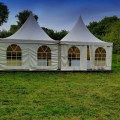
- Pavilions: Perfect for smaller events, offering a more open design while still providing shade.
- Pop-up tents: Great for quick setups, often used for smaller stalls or booths.
Stages
For events featuring live performances or speeches, hiring a stage is essential. Stages can vary in height and size, accommodating everything from local bands to keynote speakers. Considerations include:- Portable stages: Easy to assemble and disassemble, suitable for temporary events.
- Custom stages: Designed to meet specific requirements, including ramps and backdrops.
Sound Systems
A quality sound system is vital for ensuring that your message reaches the audience clearly. Options include:- PA systems: Perfect for speeches and announcements, ensuring clarity over large distances.
- Live sound systems: Designed for musical performances, providing high-quality audio output.
By understanding the various types of outdoor event equipment available for hire and their specific uses, you can make informed decisions that cater to the unique needs of your event.
Common Restrictions on Outdoor Event Equipment
When planning an outdoor event, it is crucial to be aware of the common restrictions that may apply to the use of outdoor event equipment. These restrictions can vary significantly depending on local regulations and the specific nature of your event.Noise Regulations
One of the primary concerns when using outdoor event equipment is adherence to noise regulations. Many local councils impose limits on noise levels, especially during late hours. It is advisable to check with your local authority regarding:- The maximum allowable decibel levels.
- The hours during which amplified sound is permitted.
- Any required permits for sound equipment.
Safety Standards
Ensuring the safety of your guests is paramount.Therefore, it is essential to comply with relevant safety standards. This includes:
- Using equipment that meets industry safety guidelines.
- Regularly inspecting equipment for wear and tear.
- Providing adequate training for staff operating the equipment.
Zoning Laws
Zoning laws can also impact where and how you can set up your outdoor event. These laws dictate:- The types of events allowed in specific areas.
- The size and scale of the event based on location.
- Any necessary zoning permits that must be obtained prior to the event.
How to Navigate Local Regulations for Outdoor Events
When planning an outdoor event, understanding and navigating local regulations is crucial to ensure a smooth experience.Here are some practical tips to help you comply with local laws while hiring outdoor event equipment.
- Research Local Regulations: Start by checking with your local council or authority regarding any specific regulations that apply to outdoor events. This may include noise restrictions, public safety requirements, and permits needed for using public spaces.
- Obtain Necessary Permits: Many local authorities require permits for outdoor events, especially if you plan to use large equipment or expect a significant number of attendees. Ensure you apply for these permits well in advance to avoid last-minute complications.
- Consult with Equipment Hire Companies: Reputable outdoor event equipment hire companies often have experience dealing with local regulations. They can provide valuable insights and may even assist you in obtaining the necessary permits.
- Consider Insurance: Depending on the scale of your event, you may need liability insurance.
This protects you against potential claims arising from accidents or damages during the event.
- Plan for Accessibility: Ensure that your event complies with accessibility regulations. This includes providing adequate access for individuals with disabilities, which is often a legal requirement in public spaces.
- Communicate with Neighbours: If your event is likely to impact nearby residents, consider informing them in advance. This can help mitigate complaints and foster goodwill within the community.
Case Studies: Successful Outdoor Events and Compliance
Understanding the importance of compliance with local regulations is crucial for the success of any outdoor event. Here, we explore a few case studies that exemplify how adherence to these regulations can lead to memorable and successful gatherings.Case Study 1: The Annual Summer Music Festival
Held in a large public park, the Annual Summer Music Festival attracted thousands of attendees.The organisers ensured compliance by:
- Obtaining the necessary permits from local authorities well in advance.
- Conducting a thorough risk assessment to identify potential hazards.
- Implementing crowd control measures, including designated entry and exit points.
Case Study 2: Community Sports Day
A local community sports day successfully utilised outdoor event equipment hire to facilitate various activities. The organisers focused on compliance by:- Collaborating with local councils to understand restrictions on equipment usage in public spaces.
- Ensuring all equipment was certified and met safety standards.
- Providing adequate insurance coverage for all activities.
Case Study 3: Charity Fun Run
The Charity Fun Run is another excellent example of successful event planning. The organisers adhered to regulations by:- Mapping out the route in consultation with local authorities to avoid traffic disruptions.
- Utilising temporary signage that complied with local advertising laws.
- Engaging volunteers trained in emergency response and first aid.
Frequently Asked Questions about Outdoor Event Equipment Hire Restrictions
When considering outdoor event equipment hire, it's essential to understand the various restrictions that may apply in public spaces.Here are some frequently asked questions that can help clarify common concerns:
- What types of equipment are typically restricted?In many public areas, certain types of equipment such as large inflatable structures, stages, or sound systems may require special permissions or permits. Always check with local authorities to ensure compliance.
- Do I need a permit for outdoor events?Yes, most public spaces require a permit for hosting events, especially if you plan to use outdoor event equipment. This includes anything from tents to lighting systems. Contact your local council for specific requirements.
- Are there noise restrictions?Many public spaces have regulations regarding noise levels, particularly during certain hours.
If your event involves music or announcements, be sure to check local noise ordinances to avoid fines.
- Can I set up equipment anywhere in the public space?No, there are often designated areas for events. Setting up outside these areas can lead to removal of your equipment and potential penalties. Always consult with the managing authority of the space.
- What about health and safety regulations?Compliance with health and safety standards is crucial. This includes ensuring that all equipment is safe for use and that there are adequate measures in place for crowd control and emergency situations.
They can provide guidance tailored to your needs and help navigate any legal requirements.
Conclusion: Key Takeaways on Outdoor Event Equipment Restrictions
In conclusion, understanding the restrictions on the use of outdoor event equipment in public spaces is crucial for anyone planning an event. Here are the key takeaways:- Local Regulations: Always check with your local council or authority regarding specific regulations that may apply to outdoor events. These can vary significantly from one location to another.
- Permits and Licenses: Many public spaces require permits for the use of outdoor event equipment. Ensure you obtain all necessary permissions well in advance to avoid any last-minute issues.
- Safety Standards: Equipment must meet safety standards to protect both participants and the public.
This includes ensuring that structures are stable and that any electrical equipment is properly installed.
- No Obstruction: Be mindful of pathways, entrances, and exits. Your setup should not obstruct public access or emergency routes.
- No Noise Pollution: Some areas have restrictions on noise levels, especially during certain hours. Be sure to consider this when planning your event.
- Environmental Considerations: Respect the environment by ensuring that your event does not damage public spaces. This includes proper waste disposal and avoiding any harm to local wildlife.
Planning ahead and being informed will help you create a memorable experience without running into legal or logistical issues.