When planning an outdoor event, whether it’s a wedding, corporate gathering, or a community festival, the right equipment can make all the difference.
Outdoor event equipment hire
provides access to a wide range of essential items, from marquees and seating to lighting and sound systems. Understanding the logistics of hiring this equipment is crucial for ensuring your event runs smoothly and meets your expectations. One key aspect to consider when renting outdoor event equipment is the minimum rental period. This period can vary significantly depending on the type of equipment and the rental company’s policies.Knowing the minimum rental duration is vital for effective event planning, as it impacts your budget and scheduling. For instance, some companies may require a minimum of one day for certain items, while others might offer more flexible options. As you delve into the world of outdoor event equipment hire, it’s important to weigh your options carefully. The right rental period not only ensures you have everything you need for your event but also allows for any unforeseen circumstances that may arise. By understanding these nuances, you can better prepare for a successful outdoor gathering that leaves a lasting impression on your guests.
What is Outdoor Event Equipment?
Outdoor event equipment encompasses a wide range of items essential for hosting successful gatherings in open-air settings.Whether it’s a wedding, corporate function, or festival, having the right equipment can significantly enhance the experience for both hosts and guests.
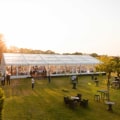
- Tents: One of the most crucial elements, tents provide shelter from unpredictable weather conditions. They come in various sizes and styles, including marquees, pagodas, and frame tents, allowing for flexibility in design and layout.
- Seating: Comfortable seating is vital for any outdoor event. Options include folding chairs, benches, and even lounge furniture. The choice often depends on the formality of the event and the expected number of attendees.
- Tables: Tables are necessary for dining, registration, or displaying materials.
They can range from banquet tables to cocktail tables, catering to different needs and aesthetics.
- Audio-Visual Equipment: For events that require presentations or entertainment, audio-visual gear such as speakers, microphones, and projectors are essential. This equipment ensures that all guests can hear speeches or enjoy performances without difficulty.
- Lighting: Proper lighting can transform an outdoor space, creating ambiance and ensuring safety as the sun sets. Options include string lights, spotlights, and lanterns.
- Heating and Cooling Solutions: Depending on the season, outdoor events may require heating solutions like patio heaters or cooling options such as fans to keep guests comfortable.
Understanding Rental Periods
When considering outdoor event equipment hire, understanding the rental periods is essential for effective planning.Rental periods refer to the duration for which you can hire equipment, and they can vary significantly based on the type of equipment and the policies of the hire company.Typically, rental periods are structured in a few common formats:
- Daily Rentals: This is the most straightforward option, where you pay for a 24-hour period. Ideal for short events or last-minute needs.
- Weekly Rentals: If your event spans several days, opting for a weekly rental can be more cost-effective. Many companies offer discounts for longer durations.
- Custom Rentals: Some hire companies allow you to negotiate a rental period tailored to your specific needs, especially for larger events or corporate functions.
It’s crucial to check with your chosen hire company to understand their specific terms.Additionally, consider factors such as setup and takedown time when determining your rental duration. If you need extra time for these activities, ensure that this is factored into your rental agreement to avoid any unexpected charges.In summary, understanding rental durations and the terms associated with equipment hire will help you make informed decisions and ensure that your outdoor event runs smoothly without any last-minute surprises.
Minimum Rental Periods for Outdoor Event Equipment
When considering outdoor event equipment hire, understanding the minimum rental periods is crucial for effective planning. Rental durations can vary significantly based on the type of equipment and the policies of the rental company.Typically, the minimum rental period for most outdoor event equipment is:- Tents and Marquees: Most companies require a minimum rental of one day, but for larger structures, a two-day minimum may apply to allow for setup and takedown.
- Chairs and Tables: These items often have a minimum rental period of 24 hours. However, some suppliers may offer discounts for longer rentals.
- Audio-Visual Equipment: For sound systems and lighting, the minimum hire duration is usually one day, with options for multi-day rentals at reduced rates.
- Catering Equipment: Items such as barbecues and serving dishes typically have a minimum rental period of one day, but again, longer durations can be negotiated.
Some companies may offer flexible terms, allowing you to rent equipment for shorter periods during off-peak times. Additionally, consider that peak seasons may lead to stricter rental terms due to high demand.Before finalising your booking, always clarify the event equipment rental terms, including any potential fees for late returns or damage. This will help ensure a smooth experience and avoid unexpected costs.
Factors Influencing Minimum Rental Periods
When considering outdoor event equipment hire, several factors can significantly influence the minimum rental periods set by suppliers. Understanding these factors can help event planners make informed decisions and optimise their budgets.Seasonality
One of the primary factors affecting rental durations is seasonality.During peak seasons, such as summer months or holiday periods, demand for outdoor event equipment tends to surge. Suppliers may impose longer minimum rental periods to ensure they can meet the high demand and maximise their profits. Conversely, during off-peak times, they might offer shorter rental periods to attract more customers.
Demand Fluctuations
The level of demand for specific types of equipment can also dictate minimum rental periods. For instance, if a particular item, like a marquee or sound system, is in high demand for upcoming events, suppliers may require a longer rental commitment.This strategy helps them manage inventory effectively and ensures that they can accommodate multiple bookings without conflicts.
Pricing Strategies
Pricing strategies play a crucial role in determining minimum rental periods as well. Some companies may offer tiered pricing based on the length of the rental. For example, a lower daily rate might be available for rentals exceeding a week, encouraging clients to book for longer durations. This approach not only benefits the supplier by securing longer commitments but also provides clients with cost savings.Equipment Type
The type of equipment being rented can also influence minimum rental periods.Larger items or those requiring extensive setup and takedown processes often come with longer minimum rental requirements. This is due to the logistical considerations involved in transporting and installing such equipment.In summary, when planning an event and considering outdoor event equipment hire, it is essential to take into account these influencing factors. By understanding how seasonality, demand fluctuations, and pricing strategies affect minimum rental periods, event planners can better navigate their options and make choices that align with their needs and budgets.
Common FAQs About Outdoor Event Equipment Hire
When planning an outdoor event, one of the most common questions that arise is regarding the minimum rental period for outdoor event equipment hire. Understanding this aspect is crucial for effective budgeting and logistics.Typically, the minimum rental period for outdoor event equipment can vary depending on the supplier and the type of equipment being hired.However, most companies set a standard minimum rental period of 24 hours. This allows for adequate time to set up and dismantle the equipment, ensuring everything runs smoothly on the day of your event.Here are some key points to consider regarding minimum rental periods:
- Short-term Rentals: Some suppliers may offer short-term rentals for specific items, such as chairs or tables, which can be rented for just a few hours. This is particularly useful for smaller gatherings or last-minute events.
- Long-term Rentals: If you are planning a larger event that spans multiple days, many companies provide discounts for longer rental periods. This can be beneficial if you need to set up in advance or require equipment for multiple days.
- Delivery and Collection: Keep in mind that delivery and collection times may also affect your rental period.
Ensure you discuss these details with your supplier to avoid any unexpected charges.
Tips for Choosing the Right Rental Period for Your Event
When planning an event, selecting the right rental period for outdoor event equipment hire is crucial to ensure everything runs smoothly. Here are some practical tips to help you choose the optimal duration for your equipment rental:- Assess Your Event Schedule: Consider the timeline of your event.
Will you need the equipment for setup, the event itself, and takedown? Make sure to account for all phases to avoid any last-minute rush.
- Consider Weather Conditions: Outdoor events can be unpredictable. If your event is weather-dependent, it might be wise to extend your rental period to accommodate potential delays or changes.
- Factor in Setup and Dismantling Time: Equipment such as tents, stages, and sound systems often require significant time for setup and dismantling. Ensure you include this time in your rental period to avoid additional charges or logistical issues.
- Consult with Your Rental Company: Don’t hesitate to ask your outdoor event equipment hire provider for advice. They can offer insights based on their experience with similar events and help you determine a suitable rental duration.
- Plan for Contingencies: It’s always wise to have a buffer in your rental period.
If your event runs longer than expected or if you encounter unforeseen circumstances, having extra time can save you from stress.
Conclusion: Key Takeaways on Outdoor Event Equipment Hire
In conclusion, understanding the minimum rental period for outdoor event equipment hire is crucial for effective event planning. This aspect not only influences your budget but also impacts the overall logistics of your event.Here are the key takeaways regarding minimum rental periods:- Flexibility: Many rental companies offer varying minimum rental periods, typically ranging from a single day to a week. This flexibility allows you to tailor your hire to fit the specific needs of your event.
- Cost Implications: Understanding the minimum rental period can help you avoid unnecessary costs.
For instance, hiring equipment for a longer duration than needed can inflate your budget.
- Planning Ahead: Booking equipment well in advance can ensure availability and may even provide options for extended rental periods at discounted rates.
- Logistical Considerations: The duration of your hire should align with your event schedule, including setup and takedown times. This ensures that you have ample time to prepare without feeling rushed.