When planning an outdoor event, whether it’s a wedding, corporate gathering, or festival, the importance of outdoor event equipment hire cannot be overstated. This specialised service provides essential tools and resources that can transform any outdoor space into a functional and inviting venue. From tents and seating to lighting and sound systems, the right equipment not only enhances the aesthetic appeal of your event but also ensures that it runs smoothly, regardless of the weather conditions. Understanding what constitutes outdoor event equipment is crucial for effective planning. This category encompasses a wide range of items designed specifically for outdoor use.
Common types include marquees, portable toilets, stages, and catering equipment. Each piece plays a vital role in creating a comfortable environment for guests while addressing practical needs such as shelter and sanitation. By hiring these items rather than purchasing them outright, event planners can save on costs while still accessing high-quality resources tailored to their specific requirements. Moreover, the process of hiring outdoor event equipment allows for flexibility and adaptability. As events can vary greatly in size and scope, having the option to select from various types of equipment ensures that planners can customise their setup to meet the unique demands of their occasion.
This adaptability is particularly beneficial in outdoor settings where unforeseen factors like weather changes can impact the event's success. In the following sections, we will delve deeper into the specific types of equipment available for hire and discuss any special requirements that may arise during setup.
Key Requirements for Setting Up Outdoor Event Equipment
Setting up outdoor event equipment requires careful planning and consideration of various factors to ensure a successful event. Below are the key requirements to keep in mind:- Space Considerations: Assess the area where the event will take place. Ensure there is adequate space for all equipment, including tents, stages, seating, and any other necessary installations.
Consider the layout to facilitate smooth movement for guests and staff.
- Permits and Regulations: Check local regulations regarding outdoor events. You may need specific permits for noise, alcohol consumption, or food service. Compliance with these regulations is crucial to avoid fines or event cancellation.
- Safety Measures: Safety should be a top priority. Ensure that all equipment is set up according to safety standards.
This includes securing tents against wind, ensuring electrical equipment is properly grounded, and having fire safety measures in place.
- Logistical Needs: Plan for logistics such as transportation of equipment to the site, setup times, and breakdown procedures. Create a timeline that outlines when each piece of equipment will be delivered and installed.
- Weather Considerations: Since outdoor events are subject to weather changes, have contingency plans in place. This could include renting additional covers or having an indoor backup location ready.
- Equipment inventory
- Setup timeline
- Contact information for suppliers
- Emergency contacts
- Weather monitoring plan
Space and Location Considerations
When planning an outdoor event, space and location considerations are crucial for the successful setup of your outdoor event equipment.The right choice can significantly impact the overall experience for your guests and the functionality of the event.
Space Requirements for Outdoor Events
- Size of the Venue: Ensure that the area is large enough to accommodate all necessary equipment, such as tents, stages, seating, and catering facilities. A good rule of thumb is to allow at least 10 square feet per guest for comfortable movement.
- Layout Planning: Consider how you will arrange the equipment. A well-thought-out layout can enhance guest flow and accessibility. Make sure to leave pathways clear for emergency access and movement.
- Equipment Specifications: Different types of equipment may have specific space requirements.
For instance, a large marquee will need more space than a simple gazebo. Always check with your outdoor event equipment hire provider for detailed specifications.
Location Considerations for Outdoor Events
- Accessibility: Choose a location that is easily accessible for both guests and suppliers. Consider parking availability and transport links to ensure everyone can reach the venue without hassle.
- Terrain: The ground conditions can affect the stability of your equipment. Avoid areas with uneven ground or soft soil that may not support heavy structures.
If necessary, consider using flooring solutions to create a stable base.
- Weather Conditions: Always check the forecast before finalising your location. Windy or rainy conditions can impact outdoor setups, so having contingency plans in place is essential.
Safety Regulations and Compliance
When planning an outdoor event, understanding safety regulations and ensuring compliance with local laws is crucial for a successful and secure gathering. Various factors must be considered when hiring and setting up outdoor event equipment.1.Risk Assessments
- Conduct a thorough risk assessment to identify potential hazards associated with the equipment and the event space.
- Evaluate factors such as weather conditions, terrain, and the number of attendees.
2.Equipment Standards
- Ensure that all hired equipment meets the relevant safety standards. This includes checking for certifications and compliance with health and safety regulations.
- Look for equipment that has been tested for stability, load capacity, and durability.
3.Installation Guidelines
- Follow the manufacturer's installation guidelines carefully to ensure that all equipment is set up correctly.
- If necessary, hire professionals who are experienced in setting up outdoor event equipment to mitigate risks.
4.Emergency Procedures
- Establish clear emergency procedures in case of accidents or adverse weather conditions.
- Ensure that all staff and volunteers are trained on these procedures and know how to respond effectively.
5.Local Regulations
- Check with local authorities regarding any specific regulations that may apply to your event, such as noise ordinances or permits required for large gatherings.
- Be aware of any restrictions on the use of certain types of equipment, especially in public spaces.
Always prioritise safety to enhance the overall experience of your attendees.
Logistical Considerations for Equipment Setup
When planning an outdoor event, understanding the logistics of outdoor event equipment setup is crucial for ensuring a smooth and successful occasion. The process involves several key components, including transportation, timing, and coordination with various vendors.Transportation of Outdoor Event Equipment
One of the first logistical considerations is the transportation of the equipment to the event site. This includes not only the physical movement of items but also ensuring that the vehicles used are suitable for the type and quantity of equipment being transported. Here are some factors to consider:
- Size and Weight: Ensure that the transport vehicles can accommodate large items such as tents, stages, and seating arrangements.
- Access Routes: Check the accessibility of the venue for larger vehicles, including any restrictions on road usage or parking limitations.
- Timing: Schedule transportation to allow ample time for setup before guests arrive.
This often means coordinating with multiple vendors to ensure all equipment arrives on time.
Timing and Coordination
The timing of equipment setup is equally important. It’s advisable to create a detailed timeline that outlines when each piece of equipment should be delivered and set up. This timeline should include:
- Pre-Event Setup: Allow enough time for testing equipment, especially for sound systems and lighting.
- Vendor Coordination: Communicate with all vendors involved in the event to ensure everyone is on the same page regarding delivery times and setup responsibilities.
- Contingency Plans: Prepare for unexpected delays by having backup plans in place, such as alternative transport options or additional manpower for setup.
Types of Outdoor Event Equipment Available for Hire
When planning an outdoor event, understanding the types of outdoor event equipment available for hire is crucial to ensure a successful gathering.From weddings to corporate functions, the right equipment can enhance the experience for both hosts and guests.
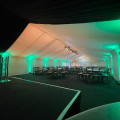
- Tents and Marquees: Essential for providing shelter, tents and marquees come in various sizes and styles. Whether you need a small gazebo for an intimate gathering or a large marquee for a festival, hiring the right structure can protect your guests from unpredictable weather.
- Seating Arrangements: Comfortable seating is vital for any outdoor event. Options include folding chairs, benches, and even luxurious lounge furniture. Consider the theme of your event when selecting seating to create a cohesive atmosphere.
- Tables: Tables are necessary for dining, displays, or activities.
You can choose from round, rectangular, or cocktail tables depending on your event's needs. Don’t forget to hire table linens to enhance the overall look.
- Lighting: Outdoor events often extend into the evening, making adequate lighting essential. Options range from fairy lights and lanterns to professional-grade floodlights. Proper lighting not only illuminates the space but also adds to the ambiance.
- Audio Equipment: For events featuring speeches or music, hiring audio equipment is crucial.
This includes microphones, speakers, and sound systems tailored to the size of your gathering.
- Catering Equipment: If food is part of your event, consider hiring catering equipment such as barbecues, serving tables, and portable kitchens. This ensures that food is prepared and served efficiently.
- Decorative Items: Enhance your outdoor space with decorative items like banners, centrepieces, and themed decorations that align with your event's purpose.
Frequently Asked Questions about Outdoor Event Equipment Hire
When planning an outdoor event, understanding the special requirements for setting up outdoor event equipment hire is crucial to ensure a smooth and successful occasion. Here are some common questions and answers that can help you navigate this process:- What types of equipment are typically required for outdoor events?
Depending on the nature of your event, you may need items such as tents, tables, chairs, lighting, sound systems, and catering equipment.Each piece of equipment serves a specific purpose and contributes to the overall experience of your guests.
- Are there any permits needed for outdoor events?
Yes, many locations require permits for outdoor gatherings, especially if you are using large structures like tents or stages. It’s essential to check with your local council or venue to understand the necessary regulations. - How do weather conditions affect outdoor event equipment?
Weather can significantly impact your event. Ensure that your equipment is suitable for the expected conditions. For instance, if rain is forecasted, consider hiring waterproof tents and securing weights for your furniture to prevent them from being blown away. - Is there a need for power sources?
Many outdoor events require electricity for lighting and sound systems.Check if your venue has accessible power outlets or if you need to hire generators to meet your needs.
- How far in advance should I book my equipment?
It’s advisable to book your outdoor event equipment hire as early as possible—ideally several months in advance—to ensure availability and allow time for any necessary adjustments.
Conclusion: Key Takeaways on Outdoor Event Equipment Setup
In conclusion, understanding the requirements for setting up outdoor event equipment is crucial for ensuring a successful and seamless event. Here are the key takeaways to consider:- Site Assessment: Before hiring any equipment, conduct a thorough site assessment. This includes checking for adequate space, accessibility, and any potential hazards that could affect the setup.
- Permits and Regulations: Always check local regulations regarding outdoor events.
Some locations may require permits for specific equipment or activities, which can impact your planning timeline.
- Weather Considerations: Outdoor events are susceptible to weather changes. Ensure you have contingency plans in place, such as tents or alternative indoor venues, to protect your equipment and guests.
- Power Supply: Many outdoor event setups require electricity. Verify the availability of power sources and consider hiring generators if necessary to avoid disruptions.
- Logistics and Transportation: Plan how the equipment will be transported to the venue. Consider the size and weight of items, as well as the best routes for delivery.
- Safety Measures: Implement safety protocols to protect both your guests and the equipment.
This includes securing heavy items and ensuring pathways are clear of obstacles.