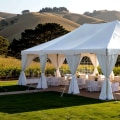
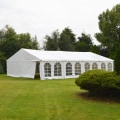
When planning an outdoor event, whether it’s a wedding, corporate gathering, or festival, outdoor event equipment hire plays a crucial role in ensuring everything runs smoothly. From tents and seating to lighting and sound systems, the right equipment can transform a simple gathering into a memorable experience. However, one of the key considerations that event planners must keep in mind is the size limitations associated with the equipment they wish to hire. Understanding these limitations is essential for effective event planning. Each piece of equipment comes with its own specifications regarding dimensions and capacity, which can significantly impact the layout and flow of your event.
For instance, a large marquee may require ample space not only for its footprint but also for safe access and egress. Similarly, seating arrangements must be carefully considered to ensure that guests are comfortable while still adhering to any size constraints. Moreover, the venue itself may impose restrictions on the size of equipment that can be used. Factors such as ground stability, overhead clearance, and local regulations can all influence what is feasible for your outdoor event. Therefore, it’s vital to engage with your equipment hire provider early in the planning process to discuss these aspects.
By doing so, you can avoid last-minute surprises and ensure that your event is both visually appealing and logistically sound.
Understanding Outdoor Event Equipment
When planning an outdoor event, understanding the types of outdoor event equipment available for hire is crucial. This equipment can range from basic essentials to elaborate setups, each serving a specific purpose and contributing to the overall success of your event.Common types of outdoor event equipment include:- Tents and Marquees: These provide shelter from unpredictable weather and can vary significantly in size, accommodating small gatherings to large festivals.
- Seating Arrangements: Options such as chairs, benches, and picnic tables are essential for guest comfort. The size and layout can impact the flow of your event.
- Stages and Platforms: For events featuring performances or speeches, stages come in various sizes. It's important to consider the audience capacity when selecting a stage size.
- Lighting and Sound Equipment: Proper lighting enhances the atmosphere, while sound systems ensure that announcements and music reach all attendees.
Size limitations here can affect sound quality and coverage.
- Catering Equipment: From food trucks to portable kitchens, the size of catering setups can influence the type of cuisine offered and the number of guests served.
- Space Availability: The venue's layout may restrict the size of equipment you can hire. Always measure your space before making decisions.
- Access Points: Consider how equipment will be delivered and set up. Narrow pathways or doorways may limit the size of items that can be brought in.
- Local Regulations: Some areas have restrictions on the size of structures like tents or stages due to safety regulations.
Common Size Limitations in Outdoor Event Equipment Hire
When considering outdoor event equipment hire, it is essential to be aware of the common size limitations that may affect your choices.These limitations can vary significantly depending on the type of equipment you require, as well as the specific venue where your event will take place.
Types of Equipment and Their Size Limitations
- Tents and Marquees: The size of tents can range from small pop-up canopies to large marquees that accommodate hundreds of guests. However, local regulations often dictate maximum dimensions based on safety and zoning laws. Additionally, the available space at your venue may restrict the size of the tent you can hire.
- Stages: Portable stages come in various sizes, but larger stages may require additional support structures and space for safety. It's crucial to check with your venue about any height restrictions or space limitations that could impact stage setup.
- Seating Arrangements: The number of chairs and tables you can hire is often limited by the available space at your venue.
Consideration must also be given to the layout to ensure adequate movement and accessibility for guests.
- Audio-Visual Equipment: Larger sound systems and screens may require more space and power supply than smaller setups. Ensure that your venue can accommodate these requirements without compromising safety or functionality.
Why Size Limitations Exist
Size limitations for outdoor event equipment are primarily in place for safety reasons. Overcrowding can lead to hazardous situations, especially in emergency scenarios where quick evacuation is necessary. Furthermore, local councils often impose restrictions to maintain public order and safety standards.Additionally, logistical considerations play a significant role in determining size limitations.Equipment that is too large may not fit through access points or may require special transportation arrangements, which can complicate the hiring process.In conclusion, understanding the common size limitations associated with outdoor event equipment hire is crucial for planning a successful event. Always consult with your equipment hire provider and venue management to ensure that your chosen equipment meets all necessary requirements and fits within the available space.
Factors Influencing Size Limitations
When considering outdoor event equipment hire, several factors can influence the size limitations of the equipment available for your event. Understanding these factors is crucial to ensure a successful and safe gathering.Venue Constraints
The first and foremost factor is the venue itself. Different venues come with their own unique characteristics that can affect the size of the equipment you can hire:- Space Availability: The physical space available at the venue will dictate how large or small the equipment can be.
For instance, a small garden may only accommodate a few tables and chairs, while a large field can host extensive setups.
- Access Points: Consideration must be given to how equipment will be transported to the site. Narrow pathways, stairs, or limited access points can restrict the size of items that can be brought in.
- Ground Conditions: The type of ground (e.g., grass, gravel, concrete) can also impact what equipment is suitable. Heavy items may require a solid surface to prevent sinking or damage.
Safety Regulations
Another critical aspect to consider is safety regulations that govern outdoor events:- Weight Limits: Many venues have specific weight limits for equipment to ensure safety and prevent damage to the property.
- Fire Safety: Equipment must comply with fire safety regulations, which may limit the use of certain materials or sizes in specific areas.
- Emergency Access: It’s essential to maintain clear pathways for emergency services, which may restrict where larger items can be placed.
How to Determine Your Size Requirements for Equipment Hire
When planning an outdoor event, understanding your size requirements for equipment hire is crucial to ensure a smooth and successful occasion.Here are some practical steps to help you assess the space needed for your hired equipment.
1.Measure Your Venue
Start by accurately measuring the area where the event will take place. Consider the following:- Length and Width: Use a measuring tape to determine the dimensions of the space. This will give you a clear idea of how much room you have for equipment.
- Height Restrictions: If your event includes tents or canopies, check for any height limitations, especially if there are trees or structures nearby.
- Access Points: Identify entrances and exits to ensure that larger items can be moved in and out without obstruction.
2.Consider Equipment Size
Different types of outdoor event equipment come in various sizes. Here are some common items to consider:- Tents: Ensure you account for not just the footprint but also any guy lines or stakes that may require additional space.
- Seating Arrangements: Plan for tables and chairs, keeping in mind the need for walkways between them for guest movement.
- Stages and AV Equipment: If your event includes performances or presentations, factor in the size of stages and any audio-visual setups.
3.Plan for Comfort
A well-planned layout enhances guest experience.Consider the following:
- Social Distancing: Depending on current guidelines, ensure there is enough space between guests.
- Amenities: Include areas for food service, restrooms, and other facilities that may require additional space.
FAQs About Size Limitations in Outdoor Event Equipment Hire
When considering outdoor event equipment hire, many clients often have questions regarding size limitations. Understanding these limitations is crucial for ensuring that your event runs smoothly and meets your expectations.What are the common size limitations for outdoor event equipment?
Size limitations can vary significantly depending on the type of equipment you are hiring. Here are some common categories and their typical restrictions:- Tents and Marquees: Most rental companies offer a range of sizes, from small pop-up tents to large marquees that can accommodate hundreds of guests. However, the maximum size may be limited by local regulations or the space available at your venue.
- Seating Arrangements: The number of chairs and tables you can hire will depend on the layout of your event space.
Ensure you measure the area to avoid overcrowding.
- Stages and Platforms: If you require a stage for performances or speeches, check with your supplier about the maximum dimensions they can provide, as well as any weight restrictions.
How do I determine the right size for my event?
To determine the appropriate size for your outdoor event equipment, consider the following factors:- Guest Count: Estimate how many attendees will be present to ensure there is enough space for everyone.
- Event Type: Different events may require different setups. For example, a formal dinner will need more space than a casual gathering.
- Layout and Flow: Think about how guests will move around the space. Ensure there is enough room for pathways and access to facilities.
Conclusion: Key Takeaways on Size Limitations for Outdoor Event Equipment Hire
In conclusion, understanding the size limitations for outdoor event equipment hire is crucial for ensuring a successful event.Here are the key takeaways:
- Space Assessment: Before hiring any equipment, conduct a thorough assessment of the venue to determine the available space. This includes considering both the indoor and outdoor areas where equipment will be set up.
- Equipment Specifications: Each piece of equipment comes with its own size specifications. Always check these details with your supplier to ensure that the items you wish to hire will fit comfortably within your designated area.
- Accessibility: Consider how accessible the location is for transporting larger items. Some venues may have restrictions on vehicle access or may require additional planning for setup and breakdown.
- Guest Comfort: Ensure that there is enough space not only for the equipment but also for guests to move around comfortably.
Overcrowding can lead to safety hazards and diminish the overall experience.
- Flexibility in Options: Many suppliers offer a range of sizes for their equipment. If you find that your initial choice is too large, don’t hesitate to ask about smaller alternatives that can still meet your needs.